
TL;DR
- LinkedIn is the highest-ROI social platform for attorneys, but most lawyers use it wrong
- Your profile is a landing page, not a resume
- Posting consistently matters more than posting perfectly
- LinkedIn works best for referral relationships and B2B practice areas, but personal injury and family law attorneys can make it work too
- Paid LinkedIn ads are expensive but can work for the right practice areas
Most attorneys have a LinkedIn profile. Very few of them use it to get clients. LinkedIn marketing for attorneys is an untapped market for most firms.
That’s not really their fault. LinkedIn has always had a reputation as a resume site, and the conventional wisdom in legal marketing has been that the real action happens on Google. That’s mostly true. If you need to fill your intake pipeline with personal injury or DUI cases, SEO and Google Ads will outperform LinkedIn every time.
But here’s the thing: LinkedIn is quietly one of the most powerful tools in a lawyer’s marketing stack when it’s used correctly. And almost no one uses it correctly.
This post is going to walk you through how to actually use LinkedIn to grow your practice, whether you’re a solo attorney, a managing partner, or someone trying to build a referral network.
Why LinkedIn Marketing For Attorneys Actually Matters
LinkedIn has around 1 billion users. More importantly, it skews heavily toward professionals, business owners, and decision-makers. That makes it uniquely valuable for lawyers in certain practice areas.
If you do business law, employment law, estate planning, real estate law, or any kind of B2B legal work, your ideal clients are on LinkedIn right now. So are potential referral sources: accountants, financial advisors, real estate agents, insurance brokers, and other attorneys in non-competing practice areas.
Even for personal injury attorneys and family law firms, LinkedIn has value, just in a different way. You might not find injury victims actively searching for lawyers on LinkedIn, but you will find the professionals who refer them to you.
That’s the fundamental reframe you need to make before building a LinkedIn strategy: LinkedIn is a referral and relationship platform first, a client acquisition platform second.
Step 1: Fix Your Profile (It Is a Landing Page, Not a Resume)
Before you post a single piece of content, your profile needs to work. Most attorney LinkedIn profiles look like a resume. They list job titles, firm names, law school, and maybe a few practice areas. That’s backwards.
Your LinkedIn profile should answer one question for anyone who lands on it: can this attorney help me? Your LinkedIn marketing for attorneys strategy will hinge on answering this question.
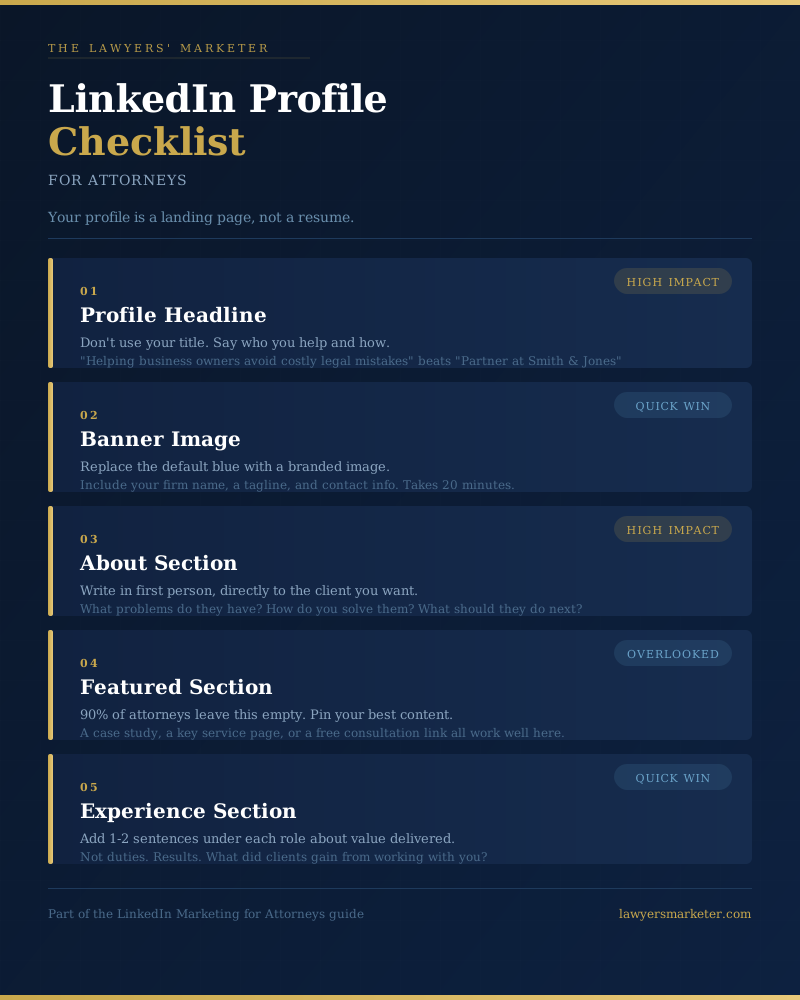
Here’s what that looks like in practice.
Headline.
Stop using your title as your headline. “Partner at Smith & Jones” tells people nothing useful. Use your headline to say who you help and how. Something like: “Helping small business owners protect their assets and avoid costly legal mistakes” is a hundred times more effective than “Business Attorney at XYZ Firm.”
Banner image.
Most profiles have the default blue background. Get a clean branded banner made. It takes twenty minutes and makes your profile look professional. Include your firm name, a tagline, and maybe a phone number or web address.
About section.
This is where most attorneys write in the third person as if they are submitting a bio to a directory. Write it like a human being. Talk directly to the person you want to reach. What problems do they have? How do you solve them? What should they do next?
Featured section.
Use this. Pin your best content, a case study, your website, or a link to a free consultation page. This is prime real estate that 90% of attorneys leave empty.
Experience section.
You can keep this traditional, but add a couple sentences under each role that speak to the value you delivered, not just your duties.
Step 2: Build the Right Network
LinkedIn is only valuable if you are connected to the right people. This sounds obvious, but a lot of attorneys just accept every connection request that comes in and end up with a feed full of recruiters and random salespeople.
Be intentional about who you connect with. Focus on:
Referral sources.
If you do estate planning, connect with CPAs, financial planners, insurance agents, and trust officers. If you do business law, connect with bankers, business brokers, and startup advisors. These are the people who will send you clients.
Past clients.
Connect with clients you’ve worked with. If you do good work, they will refer their friends. Staying in their feed is a low-effort way to stay top of mind.
Other attorneys.
This is underrated. Attorneys in other practice areas are one of the best referral sources in law. Build relationships with personal injury attorneys if you do family law, with immigration attorneys if you do employment law, and so on.
Local professionals.
If you have a local practice, spend twenty minutes a week connecting with professionals in your city. A family law attorney in Chicago who is connected to 400 local professionals will generate referrals without running a single ad.
Step 3: Post Consistently (Not Perfectly)
This is where most attorneys get stuck. They either post nothing, or they try to write something so polished and professional that it never gets published.
If you are serious about LinkedIn marketing for attorneys, you need to understand that LinkedIn rewards consistency. The algorithm amplifies accounts that post regularly, and your connections will start to recognize your name simply because you show up in their feed.
You do not need to post every day. Three times a week is plenty. One post is better than zero.
Here’s what works for attorneys on LinkedIn:
Short educational posts.
Three to five sentences answering a question your clients ask regularly. “One of the most common mistakes business owners make when signing a commercial lease is…” These perform well because they are immediately useful and they demonstrate expertise without being a lecture.
Stories.
Share a real situation (without violating confidentiality) where you helped a client solve a problem. People remember stories. They do not remember bullet point lists.
Opinions.
If there’s a legal development in your practice area, say something about it. What does it mean for your clients? What should they do? LinkedIn users engage more with posts that have a clear point of view than with neutral recaps.
Behind the scenes.
Posts about your firm’s culture, your team, community involvement, or even what a day in your practice looks like perform surprisingly well. People hire people, not firms.
Referral partner spotlights.
Tag a CPA you work with and say something genuinely positive about them. They will often share it. Their network sees your name. This is LinkedIn marketing working exactly the way it is supposed to.
A quick note on format: shorter posts tend to outperform long articles on LinkedIn in 2025 and into 2026. That does not mean you should never publish long-form content, but most of your posting volume should be short, punchy, and readable on a phone.
Step 4: Engage, Don’t Just Broadcast
A lot of attorneys set up a posting schedule and then never interact with anyone. That’s leaving most of the value on the table. LinkedIn marketing for attorneys only works when you spend some time on the platform engaging with other users.
LinkedIn is a social network. The algorithm rewards accounts that participate in conversations, not just ones that broadcast content.
Spend ten minutes a day leaving comments on posts from your connections. Not just “great post!” Leave a real comment that adds something. Ask a question. Agree or respectfully disagree. This activity is more visible to other people than you might think. When you comment on someone’s post, their entire network can see it.
Respond to every comment on your own posts. Thank people for sharing. Reply to DMs. These signals tell the algorithm that your content is generating engagement, which means it gets shown to more people.
Step 5: Use LinkedIn for Referral Development Systematically
Most attorneys do this informally, if at all. Build a system around it.
Make a short list of the twenty-five professionals in your area most likely to refer business to you. Connect with all of them on LinkedIn. Comment on their posts regularly. Send them a direct message when they share something interesting. Tag them when relevant.
Then take it offline. LinkedIn is a great warm-up tool, but the actual relationship happens on a phone call or over coffee. Use LinkedIn to stay in front of your referral network between those touchpoints.
This kind of intentional relationship building, done consistently over six months, produces results that almost no other marketing channel can match at the same cost.
LinkedIn Ads for Attorneys: Honest Assessment
LinkedIn’s paid advertising is expensive. Cost-per-click regularly runs $8 to $15, sometimes higher, compared to Facebook’s $1 to $3. If you’re used to running Google Ads for your law firm, the pricing will feel familiar, but the targeting works differently.
The advantage of LinkedIn ads is the professional targeting. You can target by job title, industry, company size, and seniority in ways that Facebook and Google can’t match. That makes LinkedIn ads particularly useful for:
- Business and commercial litigation attorneys targeting executives and business owners
- Employment law firms targeting HR directors and company leadership
- Estate planning attorneys targeting high-income professionals
- Immigration attorneys targeting companies that hire internationally
For personal injury, family law, criminal defense, and DUI attorneys, LinkedIn ads are generally not worth the cost. Your clients are not making hiring decisions based on their professional identity. For those practice areas, Google Ads and SEO will deliver far better cost per case.
If you do want to test LinkedIn ads, start with Sponsored Content (promoted posts) rather than Message Ads. Message Ads feel intrusive and get low engagement. Sponsored Content lets you get your best posts in front of a targeted audience and drive traffic to a high-converting landing page.
LinkedIn by Practice Area: Quick Reference
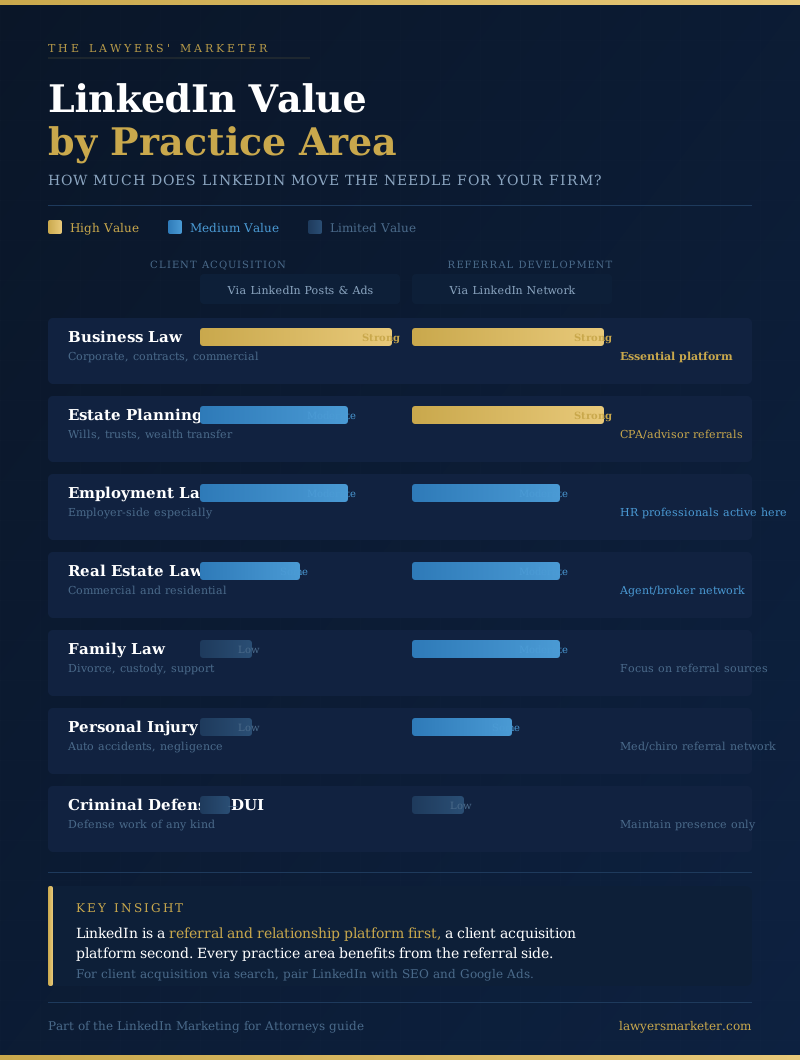
Business Law / Commercial Litigation.
LinkedIn is close to mandatory. Your clients and referral sources are all here. Post regularly about business risk, contract issues, and dispute prevention. Connect aggressively with local business owners and advisors.
Estate Planning.
Strong platform for this. Referral relationships with financial planners and CPAs are extremely valuable, and LinkedIn is the best place to build them online. Educational content about estate planning basics performs well.
Employment Law.
Good fit, especially if you represent employers. HR professionals and executives are active on LinkedIn. Plaintiff-side employment law is a harder fit but not impossible.
Personal Injury.
Focus on referral development, not client acquisition. Connect with other attorneys, chiropractors, physical therapists, and healthcare providers. Check out our guide to personal injury lawyer marketing for a fuller picture of what drives cases in this practice area.
Family Law.
Similar to personal injury: LinkedIn works best as a referral tool. Connect with financial advisors, therapists, and mediators. If you want more detail on marketing a family law practice, we cover it in depth in our family law marketing guide.
Criminal Defense / DUI.
LinkedIn is a low priority for client acquisition, but it’s worth maintaining a professional presence and connecting with referral sources. For the marketing strategies that actually move the needle in these practice areas, see our criminal defense marketing guide and our DUI attorney marketing playbook.
How LinkedIn Marketing For Attorneys Fits Into Your Overall Strategy
LinkedIn is not going to replace your intake pipeline. If you need signed cases in the next ninety days, you should be focused on law firm SEO and Google Ads, not LinkedIn.
But LinkedIn is one of the few marketing channels where the work you put in today compounds over time. A strong network you build over the next year will send you referrals for the next decade. A reputation you build by posting consistently will make every other marketing effort more effective, because when a potential client Googles you, they will find an active, credible professional presence.
The attorneys who win at LinkedIn are not the ones who post the most polished content. They are the ones who show up consistently, engage genuinely, and treat it as a long-term investment in their reputation and their referral network.
That is a very achievable standard for any attorney willing to put in thirty minutes a day.
Want to talk about how LinkedIn marketing for attorneys fits into a broader marketing strategy for your firm? Contact us and let’s figure out where your biggest opportunities are.