
TL;DR
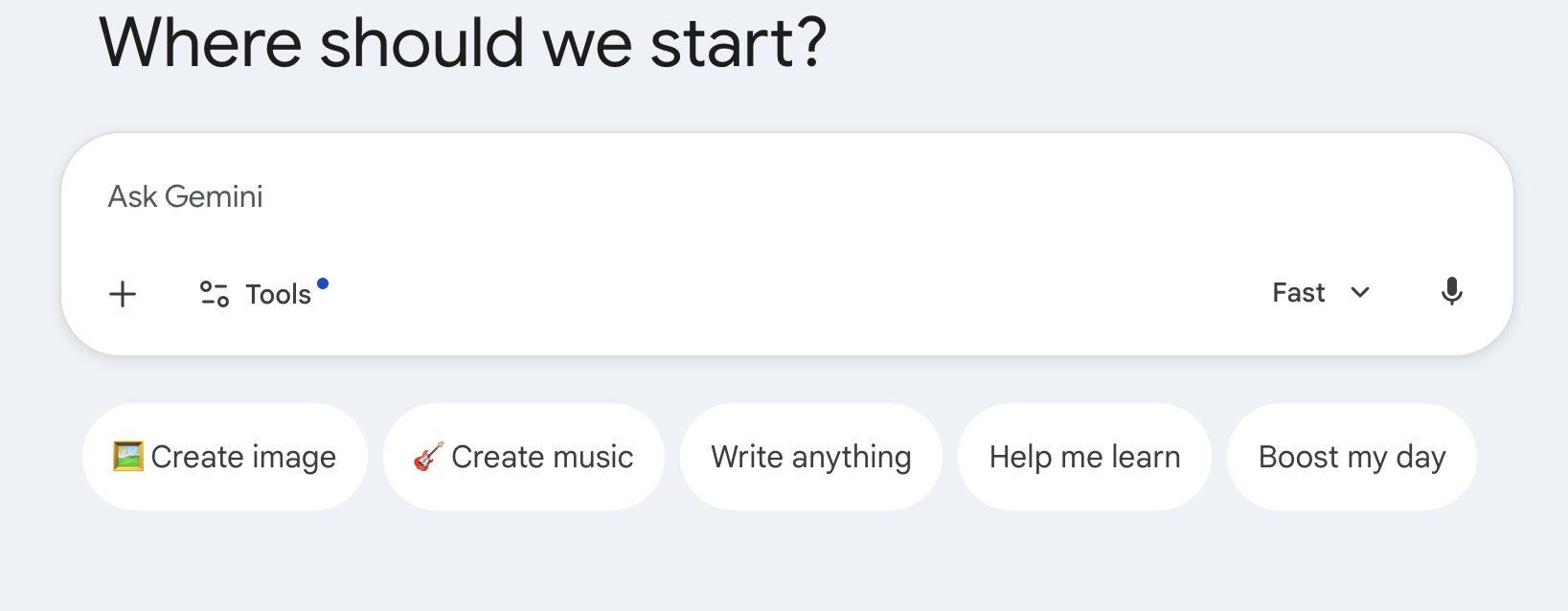
- Google Gemini vs. Google Assistant…what’s up with this switch? Google is replacing Google Assistant with Gemini across Android phones, Android Auto, and smart home devices throughout 2026. Assistant launched in 2016 and is being phased out for good. Womp womp.
- Assistant answered short voice commands. Gemini answers questions with context, reasoning, and follow-ups. That changes what your law firm’s website needs to look like to get cited.
- Voice search SEO as we knew it is becoming AI search SEO. The optimization target shifted from “rank a snippet” to “be the source the AI quotes.”
- For law firms, this means more conversational queries, more multi-step questions, and a bigger gap between firms that publish real, useful content and firms that publish thin pages stuffed with keywords.
- The fix is not new. It is structured content, clear answers, schema markup, strong local signals, and depth. We get into the specifics below.
The end of Google Assistant is real, and the timeline matters
If you have been wondering why Gemini keeps pushing itself onto your phone, here is what is actually happening. Google announced earlier this year that Gemini would replace Google Assistant on Android devices. That transition slipped, and the full switch is now rolling through 2026, with Android Auto targeting March 2026 and smart home devices following close behind. By the time it is finished, Google Assistant will not be available on Android phones, tablets, the iOS app, or most smart speakers.
That is a ten year run for Assistant, and it is being retired because the underlying technology is no longer competitive. People do not want a thing that turns on lights and sets timers anymore. They want something that can answer a real question with reasoning, hold a conversation, and take action across apps. That is Gemini.
For most consumers, this is a quality of life upgrade. For law firms, it is a meaningful change in how potential clients find you.
What was Google Assistant doing for law firm SEO?
Honestly, less than people thought.
Google Assistant was built for short commands. “Set a timer for 20 minutes.” “Call mom.” “What’s the weather.” When someone did ask Assistant a question that returned a web result, it usually pulled from a featured snippet, a knowledge panel, or a Google Business Profile. That is why so much of the voice search SEO advice you have read for years was just “rank for featured snippets and clean up your GBP.”
It worked, in a narrow way. Someone asks their phone “personal injury lawyer near me,” Assistant pulls the top three local results, reads them off, done. The optimization target was clear and the formula was simple. If you have been following our personal injury lawyer SEO guide, you already know the local pack and snippet game.
The problem is that this kind of search was a tiny slice of how people actually look for lawyers. Most of the real research happens in browsers and search bars, not by talking to a phone. Assistant was a layer on top of search, not a replacement for it.
What changes with Gemini
Gemini is not a layer. Gemini is the search.
When someone asks Gemini “I was rear ended on I-95 last week, my back hurts, the other driver had insurance, what do I do,” Gemini does not just read off the first result. It synthesizes an answer. It pulls from multiple sources, summarizes them, and decides which firms or guides to cite or link to. The user gets a real explanation, sometimes with follow up suggestions. They might never click anything.
This is the same shift happening across ChatGPT, Perplexity, and Google’s own AI Overviews and AI Mode. Gemini taking over from Assistant just brings AI search to every Android user by default, and Android is roughly 70 percent of the global mobile market. So the change in scale is significant.
Three things matter for law firms here.
First, queries get longer and more specific.
Voice queries to Gemini look more like human conversation than commands. People ask multi part questions, follow up on the answer, and explore. That means the keywords you are optimizing for are shifting from “personal injury lawyer Vero Beach” to entire question strings. Your content needs to answer real questions in real language, not target three word phrases.
Second, citations replace clicks.
When Gemini answers a question, it may name your firm, link to your firm, or do neither. Getting cited is the new ranking. This is the entire point of generative engine optimization, sometimes called GEO or AEO, and it is now a core part of how we think about SEO for criminal defense lawyers and every other practice area we work in. The firms that publish clear, well structured, factually accurate content get quoted. The firms that publish thin doorway pages do not.
Third, local SEO gets more important, not less.
When someone asks Gemini “find me a divorce attorney who handles contested cases in Indian River County,” it leans heavily on Google Business Profile data, reviews, and structured location signals. A weak GBP is a hole in your funnel. We have written before about why that matters in our divorce attorney SEO guide, and the principle is the same regardless of practice area.
What law firms should actually do about it
Stop optimizing for Google Assistant. It is going away. Start optimizing for how Gemini and other AI search tools find, evaluate, and cite content.
Here is the practical version.
Write content that answers full questions.
Not headers like “Personal Injury Claims.” Headers like “How long do I have to file a personal injury claim in Florida?” with a clear two or three sentence answer right under the heading. This is how AI tools extract content. If you bury the answer six paragraphs in, you do not get cited.
Add FAQ sections to every meaningful page.
Real questions, real answers, written in the language a client would use. Not fake FAQs designed to stuff keywords. We are talking about the questions you actually answer in intake calls. Run your call recordings through a transcript tool if you need a starting list. There is a reason we recommend this in our law firm coaching work.
Use schema markup correctly.
FAQ schema, LegalService schema, Attorney schema, Article schema. Gemini and other AI engines parse structured data faster than they parse prose. If your developer has not touched your schema in two years, that is the easiest win on this list.
Get your GBP in shape.
Real photos. Updated hours. A complete services list. Active reviews. Google Posts that actually publish. If you are running ads alongside organic, the basics from our SEO vs Google Ads breakdown still apply. Both channels feed the same Google profile.
Publish depth, not volume.
AI engines are very good at detecting fluff. Three pillar pages that genuinely cover a topic will outperform thirty thin posts every time. Write the page that, if a Gemini user reads it, they actually feel informed. That is the page that gets cited.
Build authority off site.
Citations from bar association directories, mainstream press, legal publications, and other lawyers carry weight in AI synthesis. Gemini is looking for signals that a source is trustworthy. Press mentions and quality backlinks are exactly that. We covered the broader picture in our legal AI guide if you want the full strategic view.
All in all, the Google Gemini vs. Google Assistant drama is a big nothingburger. You should be aware of what’s happening and why, but it’s best to just surrender to the evolving nature of all of Google’s products.
Parting Thoughts On Google Gemini vs. Google Assistant
Google Assistant going away is not the story. The story is that the way people search is changing, and Google Gemini is just the most visible piece of that change for the average Android user. The firms that adapt their content, structure, and local presence in the next twelve months will be the ones that show up in AI answers two years from now. The firms that wait will keep wondering why their traffic numbers are dropping while their competitors keep signing cases.
If you want a real look at where your firm currently stands in AI search and what to fix first, that is the kind of work we do every day. Let’s talk.